A Modern Guide to Japanese Sake’s Rise
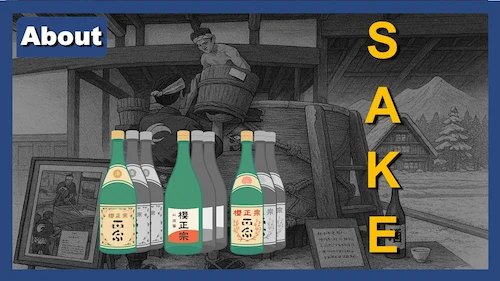
Tradition Meets Trend: Exploring the Global and Domestic Evolution of Sake
Long confined to domestic tables, Japanese sake is now winning fans worldwide—especially in the United States. This surge blends centuries-old craft, diverse regional cultures, modern science, and a global appetite for Japanese cuisine and artistry. Today, sake stands proudly alongside wine and spirits as a sophisticated, culture-rich choice.
From Snowy Rice Fields to the World: Northern Roots
Sake’s story begins in the snow-bound prefectures of Niigata, Akita, and Miyagi, where long winters and pristine water honed brewers’ skills. In Niigata, “soft” water—once thought a weakness—spurred the 1909 invention of the sokujo quick-fermentation method. The result is tanrei karakuchi, a light, crisp style now beloved around the globe. Miyagi, meanwhile, championed the abolition of an outdated grading system, paving the way for today’s “tokutei meisho-shu” premium categories—and proving sake can rival the world’s finest wines.
More Than a Drink: Living Heritage
In December 2024, UNESCO inscribed “Traditional Japanese Sake Brewing Using Koji Mold” on its Intangible Cultural Heritage list—celebrating over 500 years of dedication. But honors aside, sake still anchors everyday life: poured at Shinto weddings, hoisted at festival parades, and offered in colorful kazaridaru barrels stacked high at shrines. Small breweries keep the tradition alive by donating sake for local rites, weaving community and craft together—one celebratory sip at a time.
Old Wisdom Meets New Science
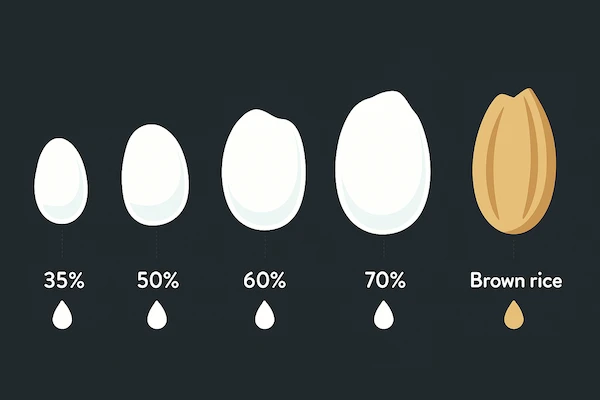
Modern brewers respect tradition yet embrace technology to perfect flavor. Rice is often polished to 60 percent—and for ginjo and daiginjo, down to 50 percent—removing fats and proteins that dull aromatics. Water matters just as much: Kobe’s hard miyamizu yields punchy, dry sake, while Kyoto’s soft Fushimi water lends a silky finish. Cultivars such as Yamada Nishiki and research from the National Institute of Brewing give makers pinpoint control over fermentation, ensuring each batch tastes exactly as intended.
Premium Sake at a Glance
| Style | Key Notes | Polish Ratio |
|---|---|---|
| Junmai | Pure rice; hearty umami | — |
| Junmai Ginjo | Light fruit; no additives | ≤ 60 % |
| Junmai Daiginjo | Delicate; highly aromatic | ≤ 50 % |
| Honjozo | Tiny alcohol boost for lift | ≤ 70 % |
| Ginjo | Fruity bouquet; smooth finish | ≤ 60 % |
| Daiginjo | Flagship elegance & price | ≤ 50 % |
Premium Sake and the Craftsmanship Revival
While overall sake consumption in Japan continues to decline, premium sake is on the rise. Styles like junmai ginjo and daiginjo—known for their refined aroma and clean finish—are becoming the go-to choice for special occasions and gifts. Sake brands such as Dassai, Juyondai, and Jikon remain in high demand, and there's renewed interest in traditional brewing techniques like *kimoto* and wooden barrel aging.
Breweries are also focusing on “craftsmanship storytelling.” Instead of mass production, more makers are highlighting their local water sources, rice varieties, and fermentation processes to appeal to connoisseurs who value authenticity. Consumers are looking for not just taste, but also the story behind the bottle.
New Faces and Fresh Designs
Younger generations and women are bringing new energy into the sake industry. Many breweries are now led by young or female *toji* (brewmasters) who are reimagining sake with modern sensibilities. They're creating lighter, food-friendly sake and updating branding with stylish labels, eye-catching bottles, and user-friendly tasting notes—making it easier for beginners to explore sake.
There's also a big push toward “drinkability” and casual sake. Instead of the formal, ceremonial image, modern sake is being marketed as something you can enjoy at home with dinner or bring to a picnic. This has made sake more approachable for younger drinkers who might otherwise choose beer or wine.
Trendy Styles and Sustainable Choices
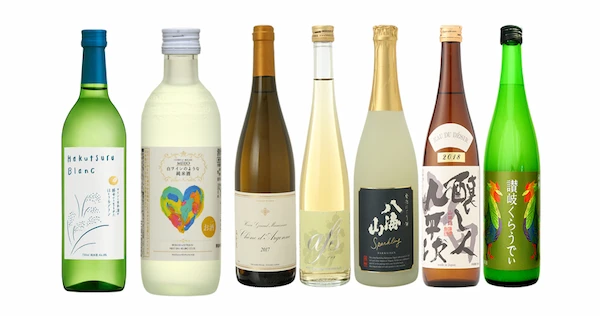
Rosé-colored sake and sparkling styles are trending big in Japan. With their fruity notes and elegant appearance, they’re gaining popularity among younger and female audiences, especially on social media. Limited seasonal releases, like refreshing “summer sake,” are also creating buzz—perfect for hot weather and light meals.
At the same time, sustainability is becoming a major focus. Breweries are increasingly using organic or low-pesticide rice, and many are working with local farmers to support eco-friendly production. As consumers become more environmentally conscious, “ethical sake” is starting to build a name for itself in the domestic market.
Global Rise of Japanese Sake
Once a niche sushi companion, sake is now a fast-growing global category. Exports hit a record ¥43.5 billion (US $283 million) in 2024, reaching 80 countries. Its approachable flavors, deep cultural roots, and food-pairing versatility continue to charm curious drinkers—propelled by focused promotion at home and abroad.
In the United States, sake has shed the “hot rice-wine” stereotype. You’ll find it chilled in wine bars, mixed into craft cocktails, and lining supermarket shelves. Younger consumers explore its spectrum—from refreshingly light junmai to silky daiginjo—via tastings, social media, and chef-driven pairings, transforming sake from novelty to handcrafted luxury.
Adding momentum is a wave of American craft breweries—Brooklyn Kura, Den Sake, Origami Sake, and others—that marry Japanese technique with local rice and regional flair. Their taprooms serve fruit-infused or sparkling styles and teach visitors about koji, pairing, and glassware, proving that sake pairs with Texas barbecue as beautifully as with sushi.
Influence of Japanese Government Initiatives
Japan is cheering this boom. Since UNESCO’s 2024 recognition, embassies, trade groups, and tourism boards have funded tastings, sommelier courses, and brewery tours. Improved cold-chain logistics and a focus on premium labels now bring sake to 80-plus countries—yet analysts see ample room to grow, especially in the U.S. One toast at a time, sake is becoming a familiar friend far beyond Japan.
Finding “Your” Sake: Four Flavor Families
- Fruity: Melon, apple, or banana aromas—serve chilled with light dishes.
- Light & Smooth: Clean and refreshing; perfect with sushi or a sunny afternoon.
- Full-Bodied: Deep umami and grainy richness; stands up to grilled meats and hearty stews.
- Matured: Amber-tinged, nutty, slightly sweet—excellent with cheese or soy-braised eel.
Smart Pairings
| Sake Family | Pairs Well With… |
|---|---|
| Fruity | White-fish carpaccio, vegetable tempura |
| Light & Smooth | Dashi-maki omelet, sashimi |
| Full-Bodied | Yakitori, braised pork ribs |
| Matured | Blue cheese, soy-glazed eel |
Serving Temperature Guide
| Name | °C | What to Expect |
|---|---|---|
| Yuki-hie | 5 | Ice-cold; razor-sharp finish |
| Suzu-hie | 15 | Light chill; crisp aromas |
| Room Temp | 20 | Balanced; shows true character |
| Hitohada-kan | 35 | Body-warm; soft and rounded |
| Nuru-kan | 40 | Gentle warmth; enriched umami |
| Jo-kan | 45 | Bright, lively, slightly dry |
| Atsu-kan | 50 | Piping hot; bold and aromatic |
Tasting 101
- Look: Clear to pale gold; aged sake turns amber.
- Swirl & Smell: Note fruit, grain, or nut aromas.
- Sip: Observe sweetness, acidity, umami, and gentle bitterness on the finish.
Etiquette Made Easy
- Pour and receive with both hands—it’s polite.
- Let a friend refill your cup; pouring for yourself is frowned upon.
- Clink glasses and say “Kampai!” before the first sip.
- Avoid drinking straight from the tokkuri; use the cup provided.
Stay Refreshed with Yawaragi-mizu
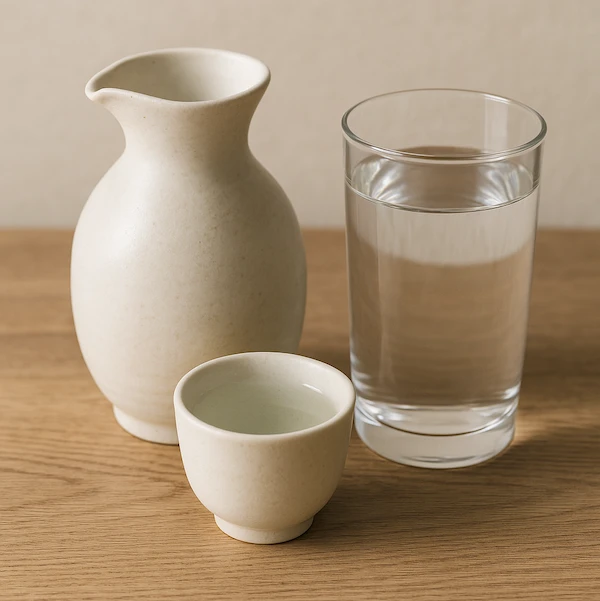
Between pours, locals sip this “calming water” to cleanse the palate and keep the celebration gentle. A simple glass of water turns a sake session into an all-evening adventure—no headache required.