
Shrimp Chips in Japan: A Delicious Legacy Evolving into 2025 Trends
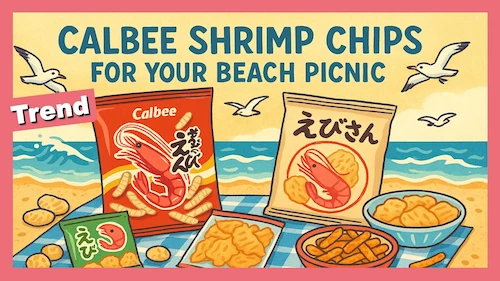
When you think of iconic Japanese snacks, one timeless staple immediately springs to mind: Kappa Ebisen, or Calbee’s shrimp chip. Light, crisp, and packed with umami-rich shrimp flavor, it’s the kind of snack that feels like home—whether you enjoyed it as a kid at a school picnic or now bite into it during a sunny afternoon at the beach.
This story explores how Japan’s beloved shrimp chip came to be, what’s kept it so enduring, and how a new generation of shrimp-flavored snacks is riding the wave into 2025 foodie trends.
1. A Snack Born in a Time of Rebuilding
Let’s wind back to 1964, the year Japan hosted the Tokyo Olympics and was buzzing with optimism. It was in this era that Calbee launched Kappa Ebisen, blending real shrimp into wheat-based dough, shaping it into sticks, and frying it to a feather-light crunch.
Why "Kappa"? That’s a nod to a mythical river spirit from Japanese folklore—familiar, playful, and memorable. "Ebisen" simply means "shrimp rice cracker," even though the base ingredient is wheat. The result: a delicate yet satisfying snack that immediately captured hearts with its perfect balance of savory shrimp and crisp bite.
2. “Can’t Stop, Won’t Stop” — The Copy That Stuck
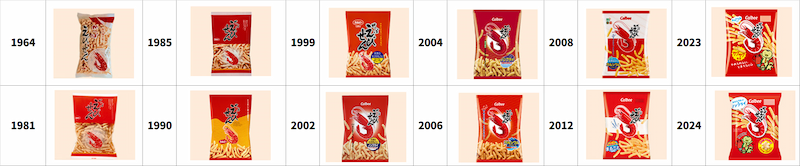
By the late 1960s, Kappa Ebisen was already everywhere—children’s lunchboxes, family celebrations, convenience-store aisles. Its success was propelled by a genius advertising line introduced in 1969: “Yamerarenai, Tomaranai,” which translates to “Can’t stop, won’t stop.” That catchy phrase eventually made it onto the packaging in 1999 and remains a cultural touchstone today.
The snack wasn't just tasty—it was fun, nostalgic, and shareable. Its light texture set it apart from heavier fried foods, and TV spots featuring families and friends sharing the snack helped anchor it in Japan’s collective memory.
3. Innovations That Kept It Fresh
Kappa Ebisen didn’t stay static. Calbee introduced seasonal and regional twists—think: nori (seaweed) from Seto Inland Sea, indulgent Hokkaido butter, fiery chilies from Kyushu. Plus, packaging technology evolved too: in 1985, they adopted aluminum-laminated film to better lock in freshness, and in 1990 refreshed the design with a wave pattern evocative of the sea.
All these layers—flavor, branding, design—helped the shrimp chip stay a beloved go-to snack across generations.
4. The Ever-Yearning Overseas Fan Base
Calbee didn’t hesitate to bring their shrimp chips to the world. They began exporting in 1966 (first to Hawaii, then to North America by 1967), even showcasing at the New York International Food Fair that year. Today, Japanese grocery stores everywhere often include Kappa Ebisen as a staple, beloved as both a nostalgic comfort and an adventurous treat.
5. A Brief Korean Connection
You might have heard about Saeukkang, Korea’s version of the shrimp chip. Launching in 1971, it was inspired by Kappa Ebisen but reimagined with Korean tastes. Made with rice flour instead of wheat and seasoned more boldly, Saeukkang carved out its own legacy. While the inspiration was shared, each has its distinct recipe, profile, and cultural resonance.
| Aspect | Kappa Ebisen (Japan) | Saeukkang (South Korea) |
|---|---|---|
| Launch Year | 1964 | 1971 |
| Base Ingredient | Wheat flour + shrimp | Rice flour + shrimp |
| Flavor Profile | Mild umami, lightly seasoned | Bold, slightly spicy |
| Texture | Light, airy crunch | Crispier bite |
| Market Identity | A Japanese classic | A Korean icon |
6. 2025’s New Wave of Shrimp Snacks
While Kappa Ebisen remains a staple, recent years have seen new takes on the shrimp-snack classic—bringing fresh innovation and even health-conscious twists to the table:
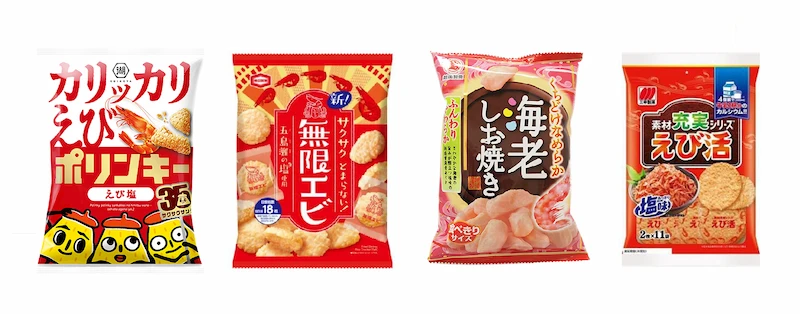
- Koikeya’s “Shrimp Salt Polinky”: Released to mark the 35th anniversary of the popular Polinky brand, this version puts shrimp right into the wheat dough—resulting in bold, crunchy bites with that unmistakable shrimp aroma.
- Kameda Seika’s “Mugen Ebi” (Infinite Shrimp): Launched in February 2021, this fried rice cracker blends shrimp shells right into the dough and uses carefully chosen Goto-nada sea salt. It hit 1 million bags sold in its first week and became the top-selling shrimp-flavored rice snack of the year—earning a cult following among Z-gen snack lovers.
- Echigo Seika’s “Ebi Shio Yaki” (Shrimp Salt Bake): A light and airy arare-type rice snack, prized for its fresh shrimp umami and melt-in-your-mouth crunch. Made with domestically milled glutinous rice and natural shrimp seasoning, each bite delivers delicate flavor and crisp texture.
- Sanko Seika’s “Ebi Katsu”: A super-light baked rice cracker with generous shrimp flavor and notable calcium content—four packets (8 pieces) deliver the equivalent of one glass of milk. It’s a wholesome option that combines satisfying crunch with nutrient boost.
Z-gen and millennial consumers are showing particular interest in "cooking-inspired" snack flavors—like clam chowder or garlic shrimp—per recent trend reports. This new wave taps into nostalgic comfort, global fusion, and culinary curiosity.
7. Artisan Shrimp Chips: Local Pride
Beyond mass production, artisan shrimp snacks highlight regional pride and craftsmanship:
- Nata Niigata’s "Nanban Ebisen" pairs whole shrimp with premium Niigata rice in elegant crackers—a favorite souvenir from the region.
- “Korezo” (specialty snack stores) offer handmade, non-fried shrimp chips using local ingredients across Japan. The result is delicate, deeply flavorful, and a refreshing contrast to standard convenience-store bags.
8. Why Shrimp Still Wins in 2025
- Umami Appeal: Shrimp is a universally beloved flavor—savory, nostalgic, and satisfying.
- Texture Play: Okinawa’s soft wafers, crisp hollow sticks, airy fried chips—the tactile variety keeps things interesting.
- Heritage with Flair: A snack that’s rooted in post-war ingenuity but still embraces modern twists.
- Foodie Credibility: Ethically sourced ingredients, collaboration snacks, regional curation—everything feels premium and thoughtful.
9. Looking Ahead: What’s Next for Shrimp Chips?
- Sustainability: Shrimp farming and upcycling seafood byproducts will shape new product development.
- Global Flavor Fusion: Shrimp chips with kimchi, curry, or even Tex-Mex seasonings may soon emerge.
- Tech-Driven Packaging: Think resealable handheld packs, or single-serve tubes perfect for beach days.
10. Final Crunch
From the humble launch of Kappa Ebisen in 1964 to today’s eco-conscious, flavor-forward shrimp snacks, Japan’s shrimp-chip legacy is rich, evolving, and deeply tied to our collective appetite for feel-good comfort. In 2025, it’s not just about nostalgia—it’s about innovation, craftsmanship, and snack creativity that brings people together, one crunchy bite at a time.