
What Is Miso? A Complete Guide to Japan’s Fermented Treasure
Exploring Japanese Miso: A Deep Dive into Types, Fermentation, and Benefits
Miso is a traditional Japanese fermented paste made from soybeans, salt, and a mold culture called koji (typically Aspergillus oryzae). Depending on the variety, other ingredients like rice or barley may be added during fermentation. This savory paste is a cornerstone of Japanese cuisine – most famous for miso soup – but it’s also used in sauces, marinades, pickling, and dressings. Miso is high in protein and rich in minerals, contributing greatly to the Japanese diet historically. In recent years it has gained worldwide popularity as people around the globe discover its depth of flavor and health benefits.
What Exactly is Miso?
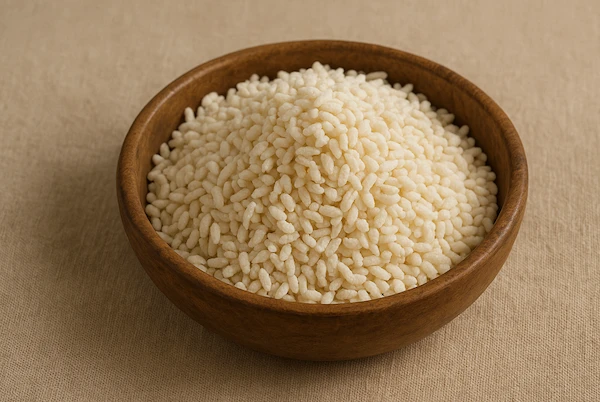
Miso originated over a millennium ago and has been perfected in Japan through the centuries. At its core, miso is a product of fermentation: cooked soybeans are combined with salt and koji (grains like rice or barley inoculated with fermentation mold) and left to ferment until they turn into a thick, flavorful paste. The flavor can vary widely – miso can be salty, sweet, earthy, or fruity, depending on ingredients and fermentation time. Generally, lighter-colored miso is milder or sweeter, while dark miso tends to be saltier and more intense. Today, miso is produced both by traditional artisans and industrially, resulting in many varieties for different tastes.
Types of Miso and Typical Dishes
*Caption: Bowls of miso paste for sale at a Kyoto market – the varieties shown are (left) a light “koji” miso, (center) a red miso, and (right) a blended miso.*
Japanese miso can be broadly categorized into four main types based on ingredients: rice miso, barley miso, soybean miso, and mixed miso. Each type has its own flavor profile and is suited to different dishes. Below we explore each type and examples of how they’re used in cooking.
● Rice Miso (Kome Miso)
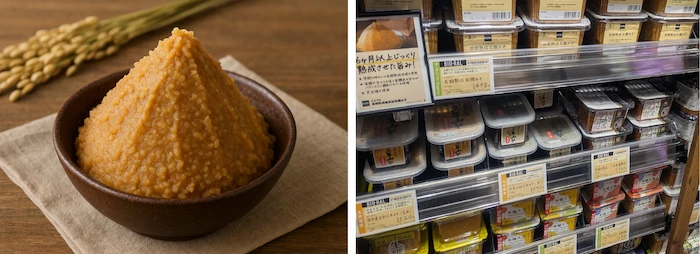
Rice miso is the most common type in Japan, made by fermenting soybeans with a significant proportion of rice koji. It typically has a light color and a sweet, mild taste. In fact, a lightly fermented rice miso is often called shiro miso or “white miso” due to its pale golden hue and gentle flavor. (Longer-fermented rice miso can turn a deeper tan or red, known as aka miso or red miso, but those are often still rice-based.) Rice miso’s mellow profile makes it very versatile: it’s used in the classic miso soup, in salad dressings and vinaigrettes, for pickling vegetables, and as a marinade for fish. A famous example is the sweet white Saikyo miso from Kyoto, which is used to marinate black cod in the renowned dish “miso black cod.”
● Barley Miso (Mugi Miso)
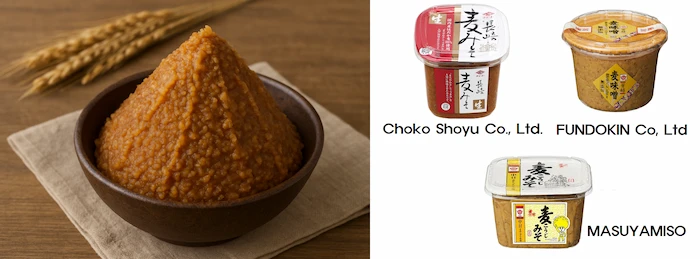
Barley miso is made with barley koji instead of rice. It tends to be light brown to medium brown in color and has a heartier, rustic flavor. Barley miso often carries a distinct nutty, earthy aroma from the barley. It usually ferments longer than most white rice misos, so while it’s still sometimes categorized as a “light” miso, its color can be darker and flavor more robust. Barley miso is especially popular in southwestern Japan (Kyushu), where it’s enjoyed in country-style miso soups and stews. Its deep flavor stands up well to hearty ingredients – for example, a mushroom and root vegetable miso soup gains extra depth from barley miso. You can also use barley miso in marinades or glazes for a richer umami kick.
● Soybean Miso (Mame Miso)
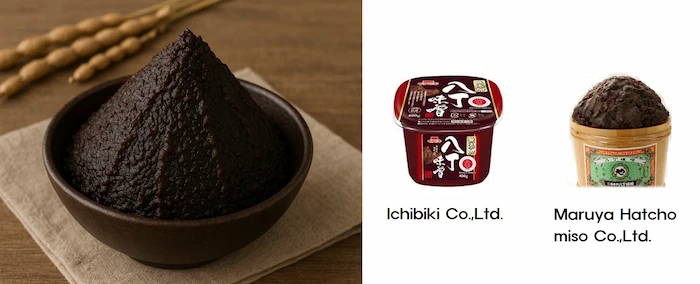
As the name implies, soybean miso is made primarily from soybeans with little to no grain added. This type is typically a dark reddish-brown, because it undergoes a long fermentation and has a high soybean content. Soybean miso is often just called “red miso” (aka miso) and has the saltiest, most intense flavor of the miso family. A little goes a long way. The most famous example is Hatchō miso, a specialty of Aichi Prefecture. Hatchō miso is a type of mame miso that is fermented for over two years, resulting in an almost ebony-colored paste that’s packed with savory, meaty umami. It’s so distinctive that Hatchō miso was once supplied to the Japanese imperial family and is said to have been the Emperor’s favorite. Soybean miso is used in dishes that can handle its strength: think robust stews, braises, or as a condiment. In Nagoya, for instance, they drizzle tonkatsu pork cutlets with a thick Hatchō miso sauce (a regional dish called miso-katsu). A dab of red miso can also enrich soup bases (some sushi restaurants serve a dark red miso soup), and it’s great for flavoring hearty items like eggplant dengaku (grilled eggplant with sweet miso glaze).
● Mixed Miso (Awase Miso)
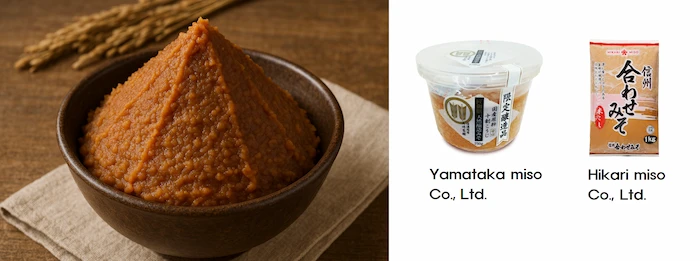
Mixed miso (awase miso) refers to any blend of two or more miso types. Often, it’s a mixture of white and red miso, combining the best of both worlds. By blending misos, producers can balance the sweetness of a young white miso with the strength of an aged red miso to create a well-rounded flavor. Awase miso is popular for everyday cooking because of this balanced taste – it’s an all-purpose miso. Many households simply keep awase miso on hand for making miso soup, since it gives a nice depth of flavor that’s not too mild and not too overpowering. It’s also used in sauces and marinades. Essentially, if you’re unsure which miso to use, awase miso is a safe choice for almost any recipe, from soups to glazes.
Regional Miso Varieties: Shinshu vs. Hatcho and More
Across Japan, different regions developed their own miso traditions based on local climate, ingredients, and tastes. Two well-known regional varieties often compared are Shinshu miso and Hatchō miso. Shinshu miso is named after the old name for Nagano Prefecture (Shinshu) and is sometimes dubbed “yellow miso.” Traditional Shinshu miso is a lighter-colored, medium-fermented miso made with rice and soybeans; it has a mellow, slightly tart flavor with moderate saltiness. Because of its balance, Shinshu miso is used broadly – it’s a standard miso for soup, marinades, and dressings, and many mass-market “yellow miso” pastes are based on this style.
Hatchō miso, as mentioned, comes from Okazaki in Aichi Prefecture. In contrast to Shinshu’s lighter character, Hatchō miso is a textbook akamiso (red miso) – dark brown, 100% soy, and fermented for 2+ years. It has a dense, fudge-like texture and an assertive savory flavor with hints of sweetness and astringency. The traditional method for Hatchō miso involves filling huge cedar barrels with the soybean mash and stacking heavy stones on top to compress it, then letting it age naturally for at least 16 months. The result is an umami powerhouse. Where Shinshu miso might be described as light and versatile, Hatchō miso is bold and best used in regional dishes like miso nikomi udon (a rich miso-based noodle stew) or as a sauce base for spreading on dishes. It’s fascinating how these two misos – one golden and mild, one almost black and intense – showcase the range of miso in Japan.
Other regions have their signature misos too. For example, in Kyoto, sweet white Saikyo miso is beloved for marinades and soups, while Sendai miso from northern Japan is a reddish miso known for its hearty, salty profile. Even the terms “red miso” and “white miso” can mean different things in different areas. In some places, “red miso” means a moderately aged brown miso, whereas in Nagoya “red miso” means the nearly black Hatchō miso. No matter the region, the key difference often comes down to fermentation time: longer aging generally means darker, saltier miso, whereas shorter aging yields sweeter, paler miso. Each region’s preference in miso gives a delicious insight into local food culture.
Red Miso vs. White Miso: Key Differences and Why They Matter
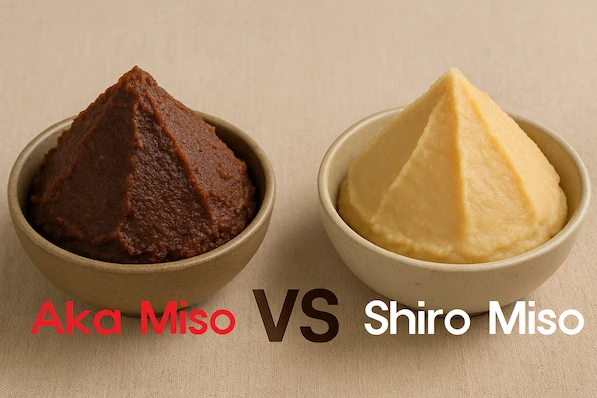
One of the most common distinctions in miso is between red miso (aka miso) and white miso (shiro miso). These categories primarily differ in ingredients, fermentation time, flavor, and appearance.
White Miso (Shiro Miso)
White miso is usually made with a higher proportion of rice koji and a shorter fermentation period. This results in a lighter color — often pale yellow to light beige — and a mild, slightly sweet flavor. It contains less salt than red miso and is often used in Kyoto-style cuisine, salad dressings, and gentle-tasting soups. White miso is ideal for beginners or dishes that benefit from a subtle umami touch.
Red Miso (Aka Miso)
Red miso undergoes a longer fermentation and typically contains more soybeans and less rice. The extended fermentation creates a darker paste ranging from reddish-brown to almost black, with a bold, salty, and robust umami flavor. Red miso is rich in melanoidins — antioxidant compounds responsible for its dark color and deeper aroma. It is preferred for heartier dishes like miso stews, braised meats, and miso katsu sauce.
Why the Difference?
The key reasons behind these differences are the ratio of soybeans to koji and the fermentation time. More koji and shorter fermentation yield a sweeter, paler miso, while more soybeans and longer fermentation result in a darker, stronger paste. Regional preferences and climate also influence the type of miso traditionally used — for example, the cold winters of northern Japan favor robust red miso that stores well.
The Miso Fermentation Process (and the Microbes Behind It)
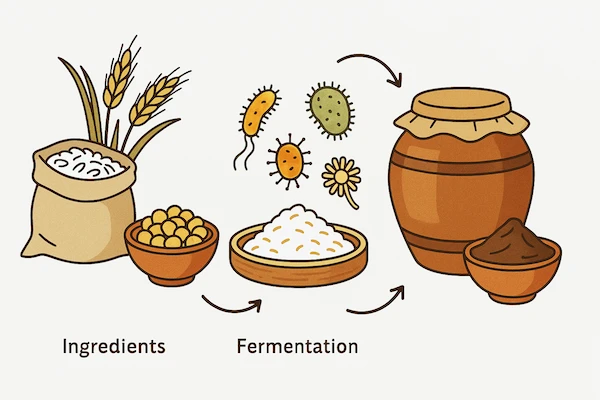
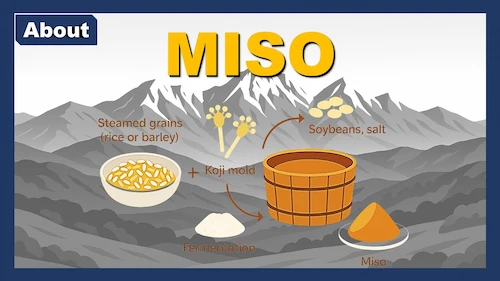
Miso’s complex flavor is the work of some incredible microorganisms through a two-step fermentation. First, steamed grains (usually rice or barley) are inoculated with koji mold (Aspergillus oryzae) to produce koji – a sweet, moldy grain that is packed with enzymes. Next, this koji is mixed with cooked soybeans and salt to ferment for weeks, months, or even years. During fermentation, the koji mold’s enzymes break down the soybeans’ proteins and starches into amino acids and sugars. One of those amino acids is glutamic acid, which is responsible for miso’s savory umami taste. After the initial work by the mold, a host of other naturally occurring microbes take over. Lactic acid bacteria feed on the sugars, producing lactic acid that adds mild tartness and helps preserve the miso. In longer fermentations, even certain yeasts will grow, contributing to the deep, wine-like aromas found in well-aged miso.
Traditional miso makers often ferment the paste in wooden barrels at ambient temperatures. For example, Hatchō miso is fermented in giant cedar barrels sealed with a lid of rocks, as mentioned earlier, to keep out air and unwanted microbes during its two-year fermentation. The environment in a miso vat becomes quite microbial: the beneficial mold and bacteria thrive, while the high salt content (miso typically contains 5-15% salt) inhibits harmful bacteria. Over time, the fermentation not only develops flavor but also produces compounds like melanoidins – these are brown pigments formed from amino acids and sugars, which give long-aged miso its deep color and contribute antioxidant properties. By the end of the process, we get a dense, fragrant paste teeming with umami. It’s alive (if unpasteurized) with friendly microbes and enzymes, which is why traditionally made miso continues to develop flavor even after it’s packaged.
Nutritional Value and Health Benefits of Miso
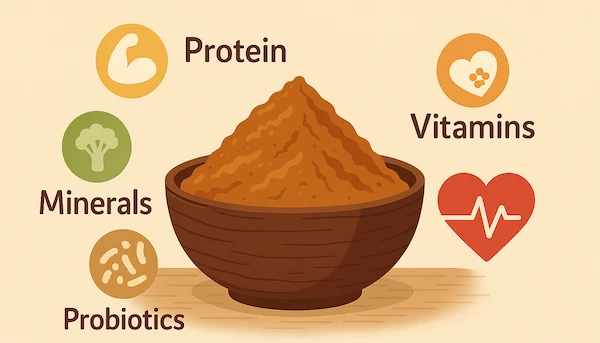
Miso isn’t just a flavorful seasoning – it’s also quite nutritious. Because it’s made from soybeans (and sometimes grains), miso paste contains a good amount of plant protein, essential amino acids, vitamins, and minerals. For instance, miso provides copper, manganese, vitamin K, and various B-vitamins, along with beneficial plant compounds from soy. It is relatively high in salt, however, so it’s best enjoyed in moderation or balanced with other ingredients.
One notable aspect of miso is that it’s a fermented food, and fermented foods often confer health benefits. Miso fermentation generates compounds that act as antioxidants – for example, the melanoidin responsible for red miso’s brownish color also helps scavenge free radicals in the body. Moreover, miso can be a source of probiotics (beneficial bacteria) if it’s unpasteurized. A spoonful of long-fermented miso can contain a significant population of lactic acid bacteria; in fact, a serving of white miso may contain as many live lactobacillus bacteria as a cup of yogurt. These probiotics can support gut health and digestion.
The combination of soy nutrients and fermentation byproducts in miso has attracted research interest. While miso is salty, some studies in Japan have noted that regular miso soup consumption didn’t lead to the same blood pressure issues that high-salt diets usually might, possibly thanks to compounds in soy that modulate the effect of salt. Miso is also rich in bioactive peptides (small protein fragments) that may help reduce LDL cholesterol and exert antioxidant effects. According to nutrition guides, miso provides a range of potential benefits: it’s a source of protective antioxidants, may support the immune system, and could even have cancer-fighting properties due to the presence of soy isoflavones and other phytochemicals. The fermentation process also makes some vitamins (like B vitamins) more bioavailable and creates new nutrients like folic acid.
There’s an interesting bit of folk wisdom in Japan regarding miso’s health effects at different times of day. Red miso, with its robust composition, is sometimes recommended in the morning – a bowl of hearty red miso soup to “wake up” the body. The logic is that red miso contains higher levels of things like melanoidin and peptides that can stimulate metabolism and help neutralize free radicals, giving you an energizing start. On the other hand, milder white miso is suggested for the evening, as it contains a notable amount of GABA (a neurotransmitter produced during fermentation) which has calming, relaxing effects on the nervous system. A warm bowl of white miso soup at night might help you unwind and even promote better sleep, while also providing gut-friendly bacteria for overnight digestion. Whether or not you follow those timing tips, it’s clear that miso can be part of a healthy diet, offering both nutritional value and functional benefits.
Miso in Modern Cuisine and Global Popularity
Thanks to its unique flavor profile, miso has broken out of traditional Japanese kitchens and is now a beloved ingredient worldwide. The surge in interest in fermented foods and global cuisines means you can find miso in many grocery stores, from Asian specialty markets to regular supermarkets (often in the refrigerated section near tofu). In fact, the growing popularity of miso has led to a greater variety of miso available outside Japan, and even higher-quality artisanal miso finding its way onto shelves abroad. Chefs and home cooks in the West have embraced miso for the depth of umami it brings to dishes.
In modern cuisine, miso is incredibly versatile. Of course, it’s used to make delicious soups and broths, but creative chefs also blend miso into salad dressings, use it as a rub or glaze for meats, and whisk it into sauces. A simple knob of butter mixed with miso creates a “miso butter” that can be melted over steak, tossed with roasted vegetables, or spread on corn on the cob for a savory twist. Because miso delivers that fermented savoriness, it’s even used as a secret ingredient in non-Japanese contexts – for example, stirring a spoonful of miso into a pasta sauce or chili can boost its richness without screaming “miso” at all.
Perhaps more surprising is miso’s entry into the world of sweets and cocktails. Innovative bakers have discovered that a touch of sweet white miso can enhance desserts by adding a caramel-like depth. You can find recipes for miso-glazed doughnuts, miso caramels, and chocolate chip cookies with miso in the dough. High-end pastry chefs have made miso butterscotch and miso-infused chocolate ganache. As Food & Wine magazine noted, miso’s “salty, umami punch” doesn’t only amp up savory recipes like Nobu’s famous miso-marinated black cod, but also elevates sweet creations from breakfast pastries to chocolate tarts. For instance, a bit of white miso in a chocolate tart can highlight the cocoa flavor and add a subtle salty balance to the sweetness.
Miso has truly gone global – you might find miso ramen in New York, miso salmon in London, and miso salad dressings in Sydney. Vegan and vegetarian cooking especially makes good use of miso as a plant-based flavor enhancer; it provides savory depth that can stand in for the richness of cheese or meat stock in a recipe. It’s also popular in health-conscious circles for its probiotic qualities. As more people discover miso, its uses keep expanding. Whether it’s ladled into a traditional miso shiru (miso soup) or whipped into a trendy miso-maple butter, this ancient Japanese ingredient is proving itself to be perfectly at home in the modern kitchen.